Guest post by Steve Quillian — craftsperson, mentor, and specialist in historic window restoration.
We occasionally share pieces from craftsmen and mentors whose work aligns with ours. This post from Steve Quillian explains something we see often on old Baton Rouge houses — the damage you see is usually a symptom, not the root cause.
The Visible Damage Is Usually Not the Real Problem
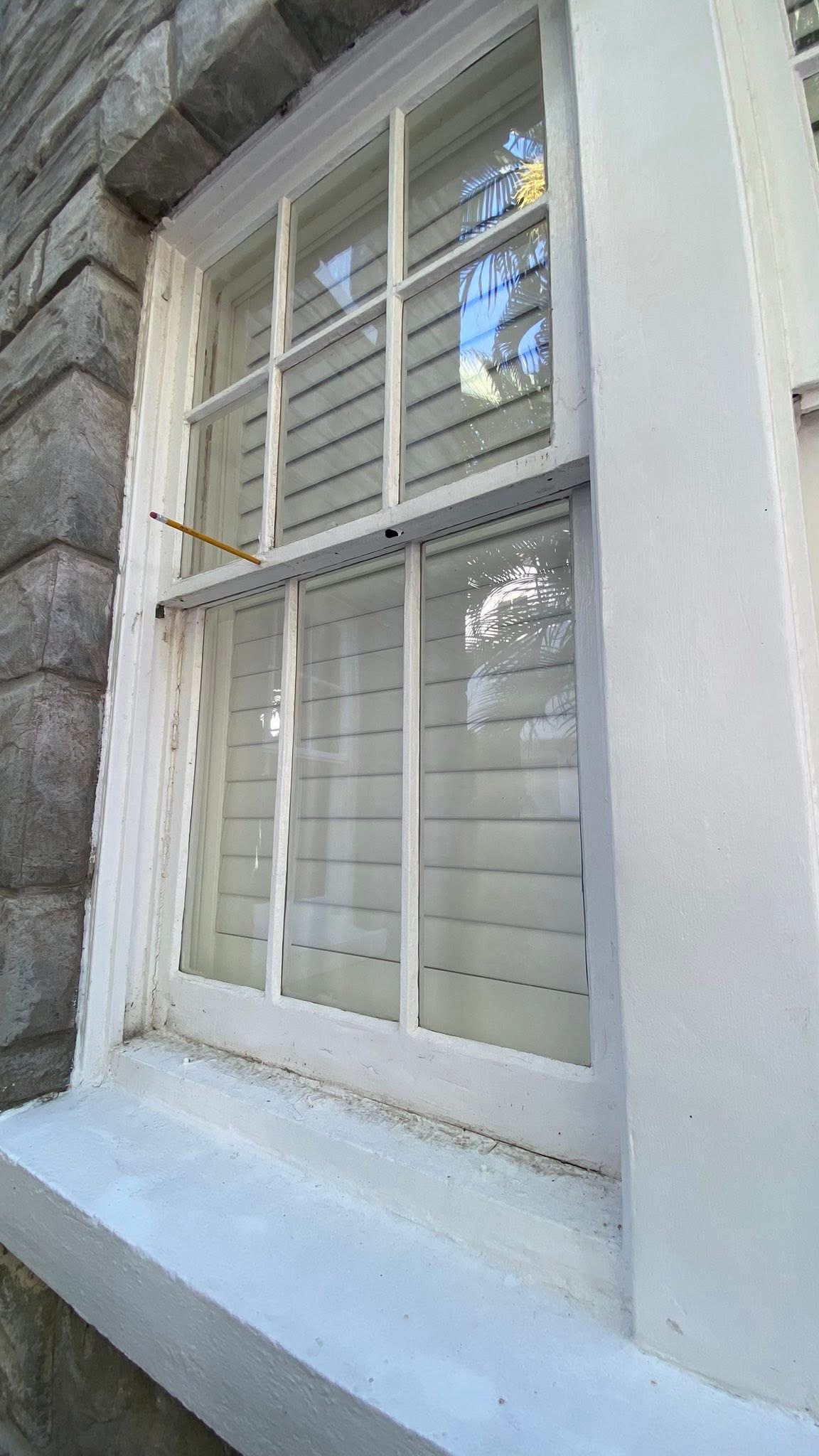
When most people look at an old wood window, they notice the obvious things first. They see a little rot in the sash, a bad sill, cracked paint, or a window that is stuck shut. Those are the things that draw the eye, and because they are visible, they are often mistaken for the real problem.
But in many cases, those visible failures are not the main issue at all. They are the outward signs of something deeper going wrong. A great many old windows are not failing primarily because they are old. They are failing because the system that once protected them is no longer working the way it was intended to work.
That distinction matters. An old window can survive a very long time if the forces acting on it are working in harmony. It can take water, sun, movement, and age far better than many people realize. But when the window is caught between failing paint systems, dry glazing, trapped moisture, and years of misunderstood maintenance, it begins to lose its ability to protect itself. When that happens, the damage we see on the surface starts to multiply.
Where the Trouble Begins: The Paint System
The problem often begins with paint. That may sound strange, because paint is usually thought of as the thing that protects the window. And properly applied paint does protect it. But a failing paint system does the exact opposite.
Once old layers begin to lose their bond to the wood, any new layer applied on top is only as strong as what it is attached to. If the old coating is failing, the new one is resting on top of failure. It may look sound for a while, but it is already compromised from the beginning.
As the old paint continues to let go, the newer paint lets go with it. That creates tiny openings, loose edges, and little pockets where water can get in. Once water enters, the next question is whether the system allows it to get back out.
Sealed Too Tight and Not Tight Enough at the Same Time
Many old windows today are caught in a strange condition: they are sealed too tightly and not tightly enough at the same time. They are open in the wrong places and closed in the wrong places. Water gets in where it should have been shed away, and then it gets trapped where it should have been allowed to dry.
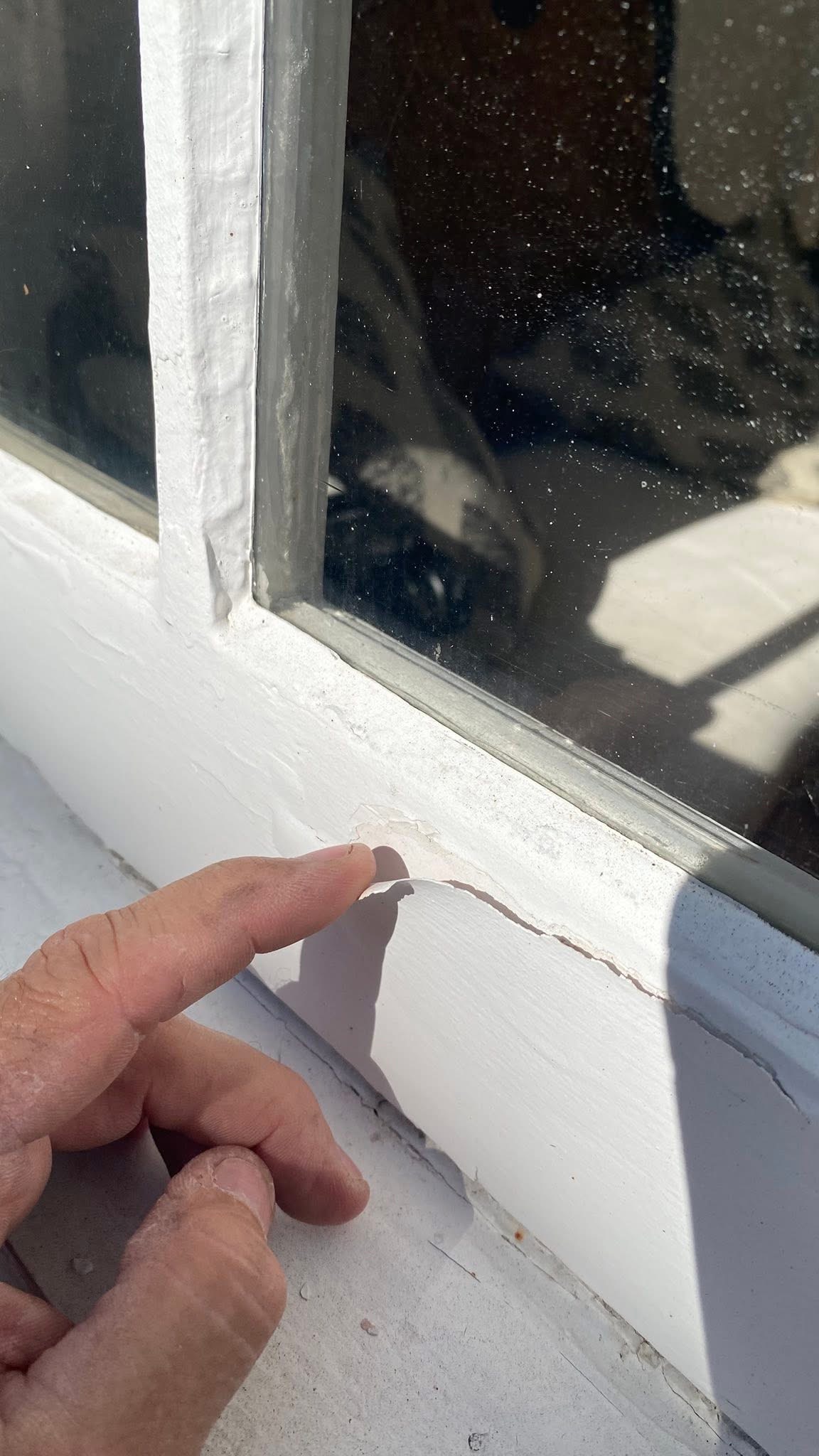
This is one of the quiet causes of window failure that many homeowners never hear explained. The old window was originally built as a working system. Its parts were meant to move. Its joints were meant to behave in a certain way. Its coatings, putty, wood, and paint all had to complement one another. When those relationships are disturbed, the window can no longer manage moisture the way it once did. It begins to hold onto the very thing it was built to resist.
The Glazing Changes from a Shield to a Sponge
The glazing is another important part of this story. On many old windows, especially those that have gone too long without proper attention, the glazing compound begins to break down. The oils that once made it protective are depleted. What was once a water-shedding material becomes dry, brittle, and chalk-like.
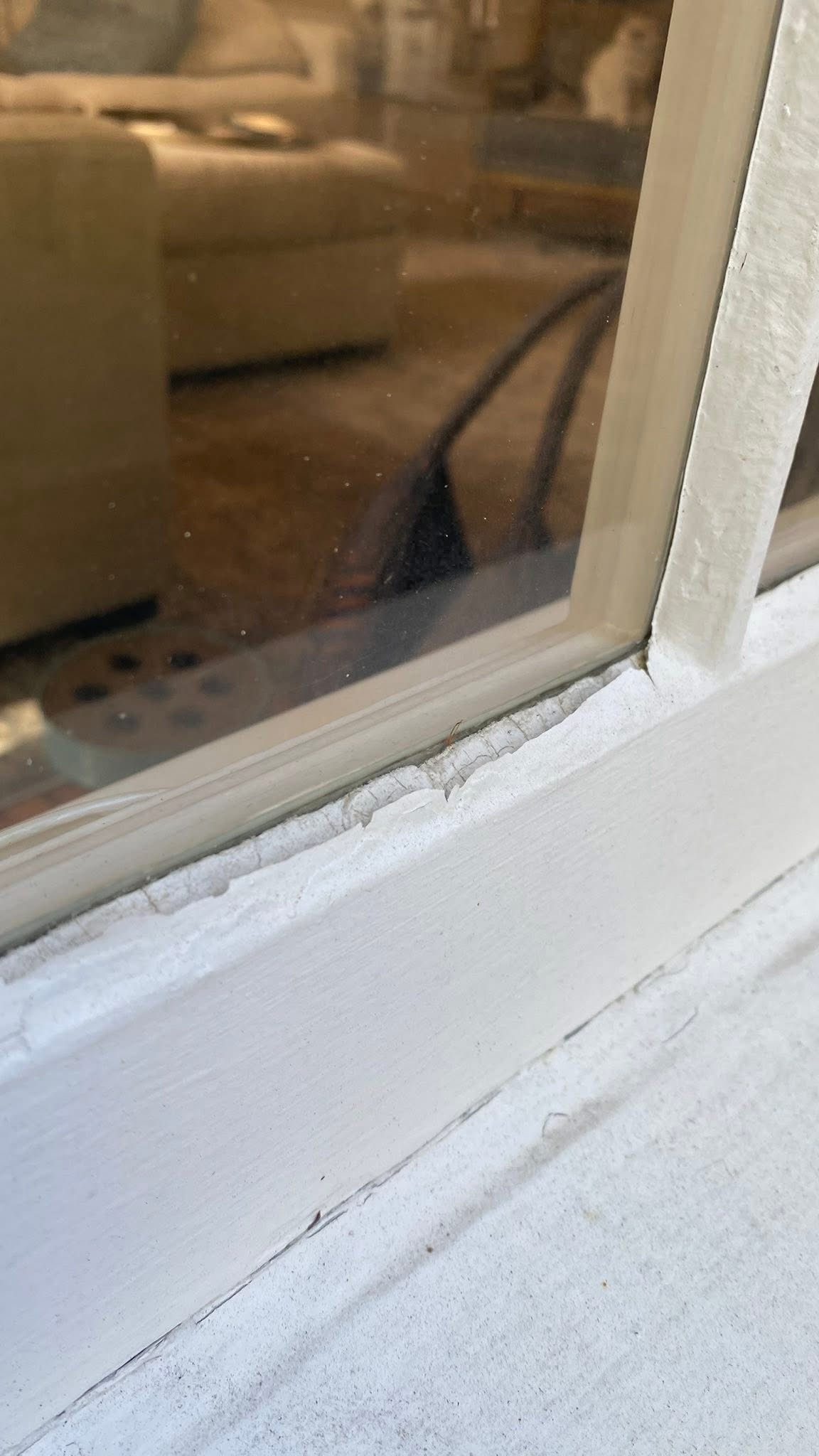
At that point, it no longer behaves as a protective seal. Instead, it begins to absorb water. It can almost act like a wick, drawing moisture toward the wood instead of directing it away. A homeowner may simply see old putty and assume it needs touching up. But what may actually be happening is that one of the window's most important protective elements has turned from a shield into a sponge.
The Microclimate Around the House Matters
Then there are the environmental pressures around the house itself. Windows that are shaded by bushes and landscaping close to the wall often take a beating. The vegetation holds moisture against the building, slows drying time, and encourages the accumulation of dust, pollen, and organic material.
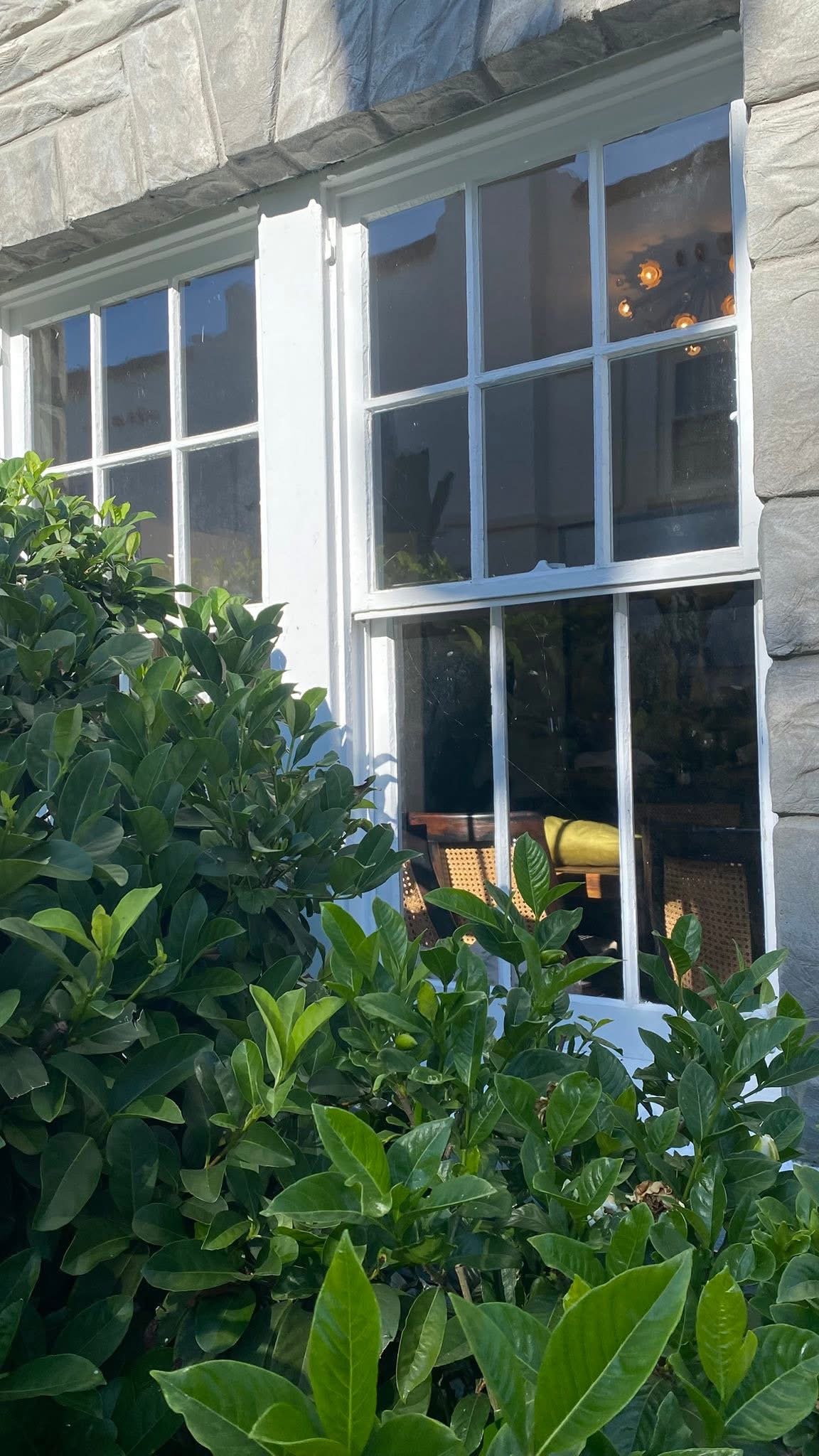
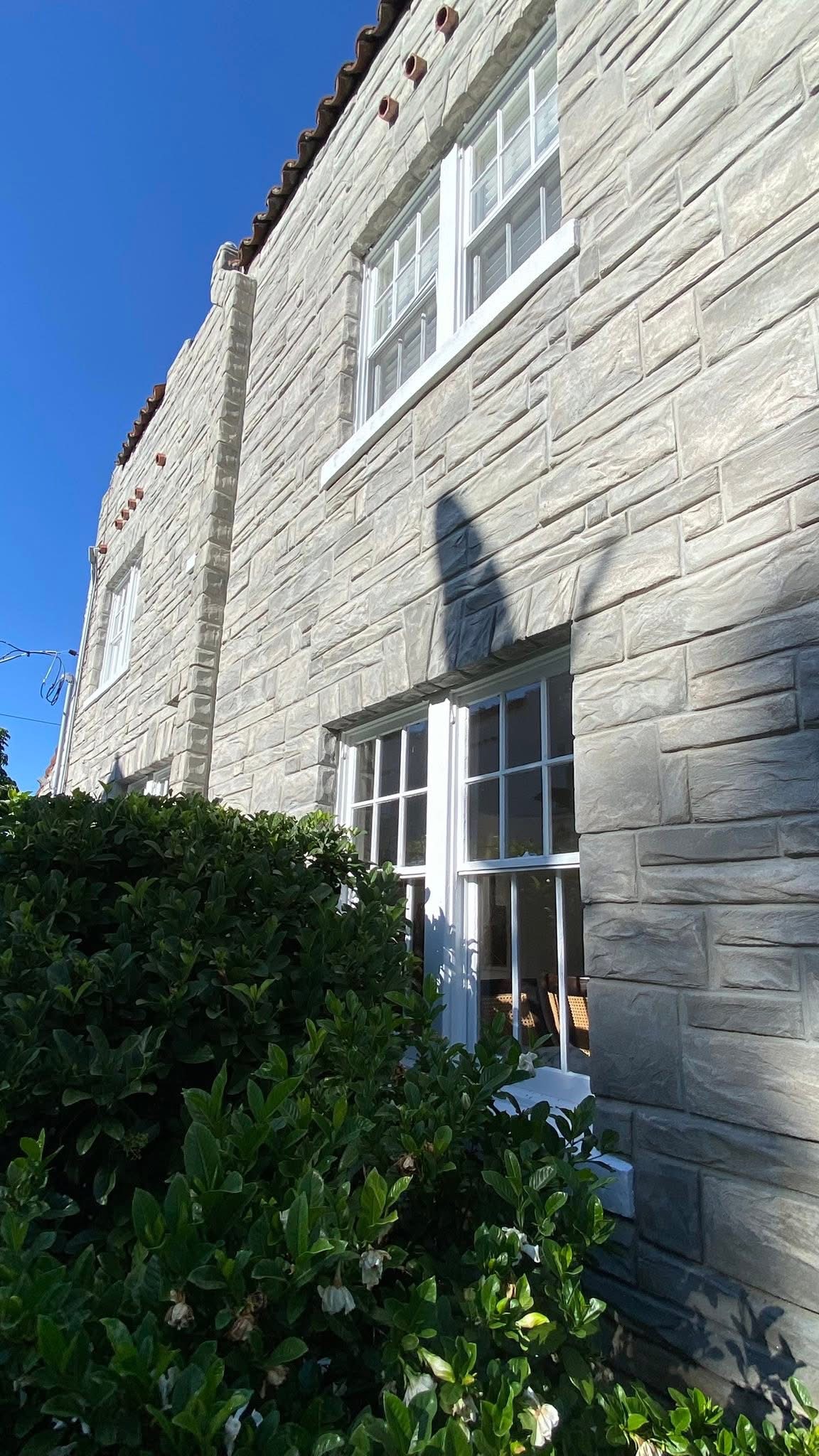
Rainwater carries all of that downward and into the joints, onto the glazing, and against the wood. Over time, those damp and dirty conditions create exactly the kind of environment where fungal activity and decay can begin. This is why two windows on the same house can age very differently. One may remain relatively stable while another, exposed to a more hostile microclimate, begins to soften, mold, or rot.
When a Window Is Painted Shut, the System Is Already in Trouble
Function matters. A window that has been painted shut may still look respectable from a distance, but the loss of function is not a small thing. It is one more sign that the system has been treated as a static object instead of a living assembly of parts meant to move, separate, and be maintained.
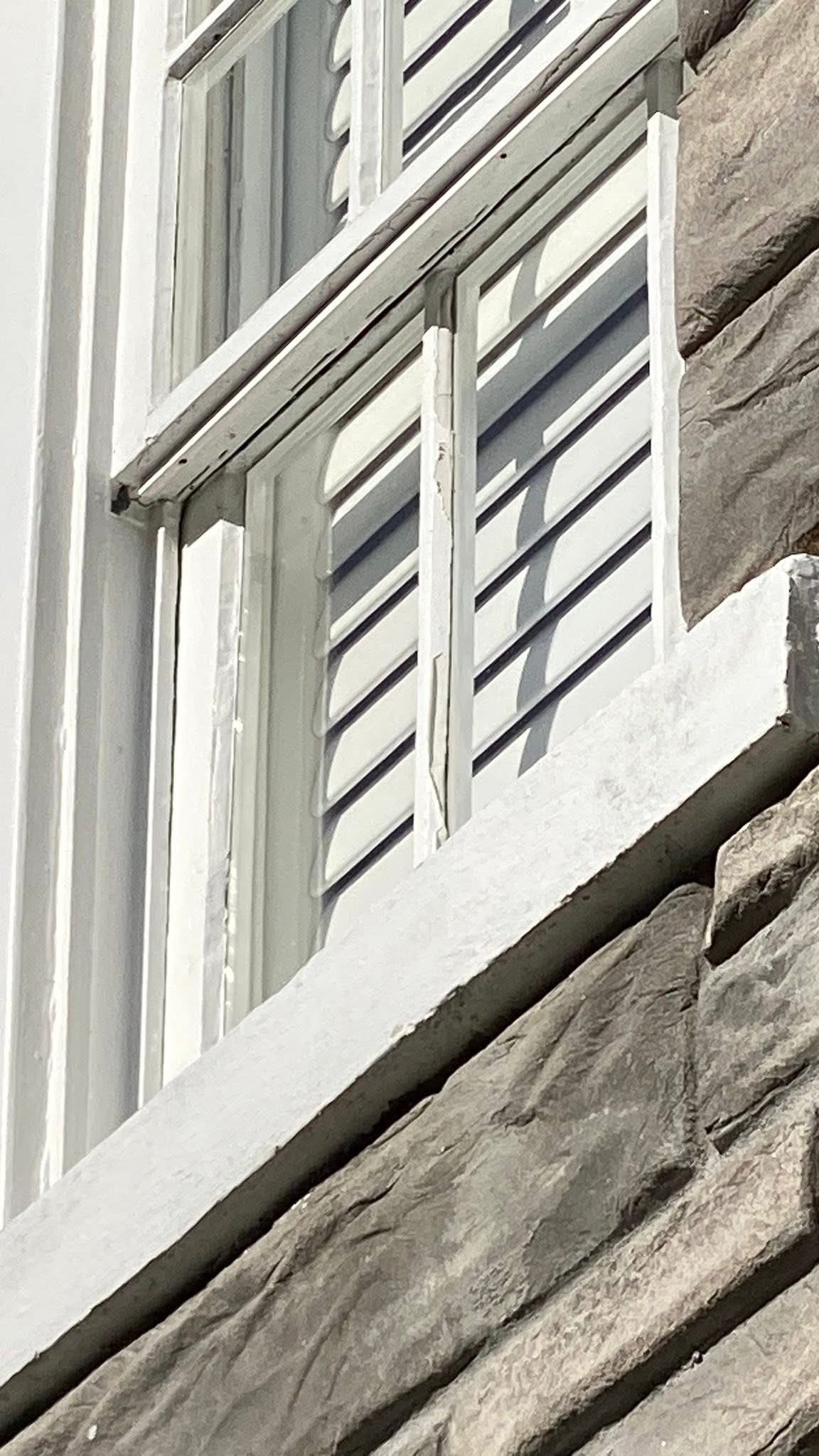
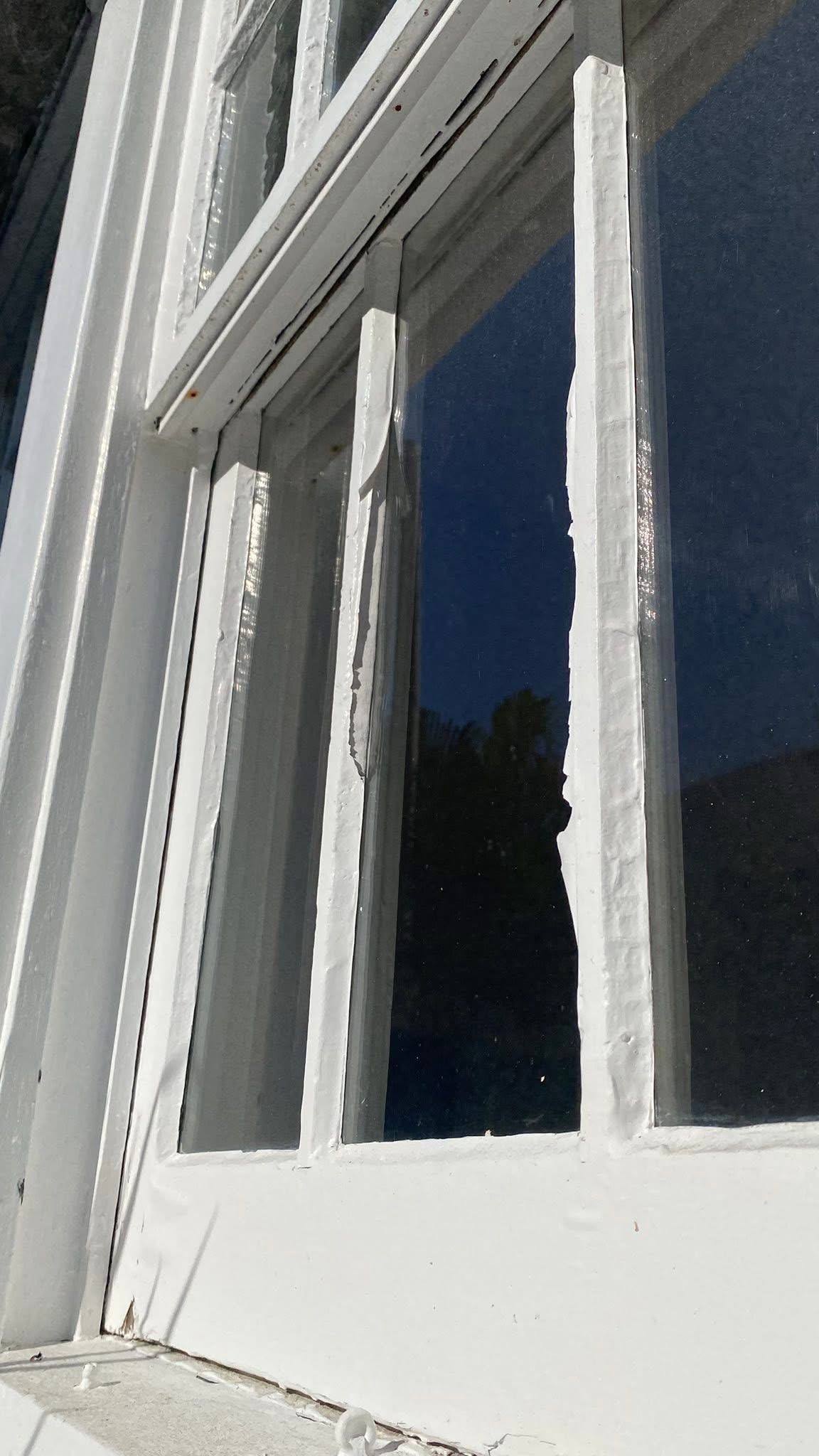
Once a window is fused shut, it becomes harder to inspect, harder to tune, harder to dry properly, and harder to save as conditions worsen. A stuck window is not just inconvenient. It is often a sign that the larger system has already begun to fail.
The Rot You See Is Often the Result, Not the Cause
When you begin to add all of this together, the real picture comes into view. A little sash rot here and a bad sill there may be the first things you notice, but they are not always the root problem. More often, they are the visible results of a larger breakdown: failing paint layered over failing paint, glazing that has lost its protective oils, water entering through opened paint lines, moisture trapped with no good path to escape, and years of work done in a way that may have looked neat but did not serve the actual needs of the window.
Two Different Paths Forward
This is why the choice in front of a homeowner is often larger than it first appears. One option is the stopgap route. That means repairing the worst visible damage, stabilizing the bad sash, patching the sill, and continuing to address problem areas one at a time as they arise. There is nothing inherently wrong with that approach if the goal is simply to buy time or address urgent trouble. Sometimes that is the right move for the season a person is in. Sometimes it is all the budget will allow.
But it is important to understand what that approach does not do. It does not solve the underlying system failure. It only responds to the symptoms as they become visible. That means the homeowner remains at the mercy of a timetable they do not control. The next failure comes when it comes. The next hidden weak spot reveals itself when it is ready. The work becomes reactive.
The other option is to address the issue at its root. That means dealing not only with the damaged areas, but with the failing system that produced them. It means removing the unstable paint coatings that are no longer serving the window. It means correcting the glass-to-wood relationship, addressing the glazing, exposing and repairing hidden issues as they are uncovered, and recoating the window in a way that actually complements its original design and intention.
What It Means to Solve the Systemic Problem
This is more than touching up paint. It is more than cosmetic work. It is more than the romantic language of restoration often suggests. What is really happening is that the window is being brought back into working agreement with itself.
Its parts are separated. Its problems are exposed. Its hidden weaknesses are repaired. Its function is reestablished. Its protective systems are rebuilt. Its paint is no longer fighting what is underneath it, and its water-shedding logic is restored. By the end of that process, the window is not merely patched up. It has been reset.
That is why the deeper work matters. It does not just make the window look better. It changes the conditions that were causing the damage in the first place. It puts the homeowner back in control of the timetable. Instead of chasing symptoms unpredictably, they solve the central issue that is driving the future symptoms.
Why This Distinction Matters
In the end, the real question is not simply whether an old wood window has rot. The question is whether the conditions causing the rot will remain in place after the repair is done. If those conditions remain, then the repair is temporary by nature, even if it is done well. But if those conditions are corrected at the structural level of the system itself, the repair becomes part of a long-term solution.
Too often, old windows are discussed in shallow categories. Repaint them. Patch them. Restore them. Replace them. But none of those words, by themselves, really explain what is going on. What matters is understanding the system. What matters is recognizing when the visible damage is only the symptom of a deeper breakdown. And what matters most is choosing whether to keep treating symptoms as they arise, or to solve the problem at the level where it begins.
Conclusion: Old Windows Are Often More Savable Than People Think
Old wood windows are often far more savable than people imagine. But saving them well requires more than affection for old houses and more than a coat of paint. It requires an honest understanding of what is really happening to them.
And in many cases, what is really happening is this: the windows are not simply old. They are caught in a failing system. Once that is understood, the path forward becomes much clearer.